

GTD NBA means “Game Time Decision” in professional basketball. This term is used very often in the NBA. It tells fans that a player’s status is uncertain before a game. A GTD tag means the player may play or may sit out. The final decision happens close to tip off. Coaches and medical staff make this call together. GTD is usually related to minor injuries or fatigue. Common reasons include ankle pain, knee soreness, or muscle tightness. These issues are not always serious. NBA teams play many games each season. The regular season has eighty two games per team. Because of this schedule, players often need rest. GTD also helps manage player health. Teams list GTD players on official injury reports. The NBA requires teams to share injury status publicly. This helps maintain fairness for fans and media.

Fans check GTD updates before watching games. Fantasy basketball players also track GTD closely. Betting markets react strongly to GTD news. A GTD player usually warms up before the game. Coaches watch movement and comfort levels. If pain remains, the player sits out. Sometimes a GTD player surprises everyone and plays full minutes. Other times, they rest even after warming up. This uncertainty defines GTD status. Star players are often marked GTD. Teams protect key players for long seasons and playoffs. Missing one game can prevent bigger injuries. Medical staff play a big role in GTD decisions. They test strength, flexibility, and pain response. Moreover, player safety is the top priority. Load management has increased GTD usage in recent years. Teams rest players even without major injuries. This helps extend careers. In this article, we are talking about this term. So, keep reading to know more about it.
GTD NBA meaning
GTD means Game Time Decision in sports, especially basketball. It shows that a player’s status is not clear yet. When a player has GTD status, playing is unsure. The final choice happens very close to game start. Coaches, doctors, and the player decide together. They focus on health, comfort, and safety. Warm ups are very important during GTD checks. Players test movement, balance, and pain levels. If pain feels low, the player may play. If pain stays, the player will rest. Injuries are the most common reason for GTD. These injuries are often small but risky. Examples include ankle twists, sore knees, or muscle tightness. These issues can worsen during games. Teams prefer caution instead of forcing play. One wrong move can cause bigger damage. Illness is another reason for GTD status. Fever, weakness, or stomach issues affect performance.
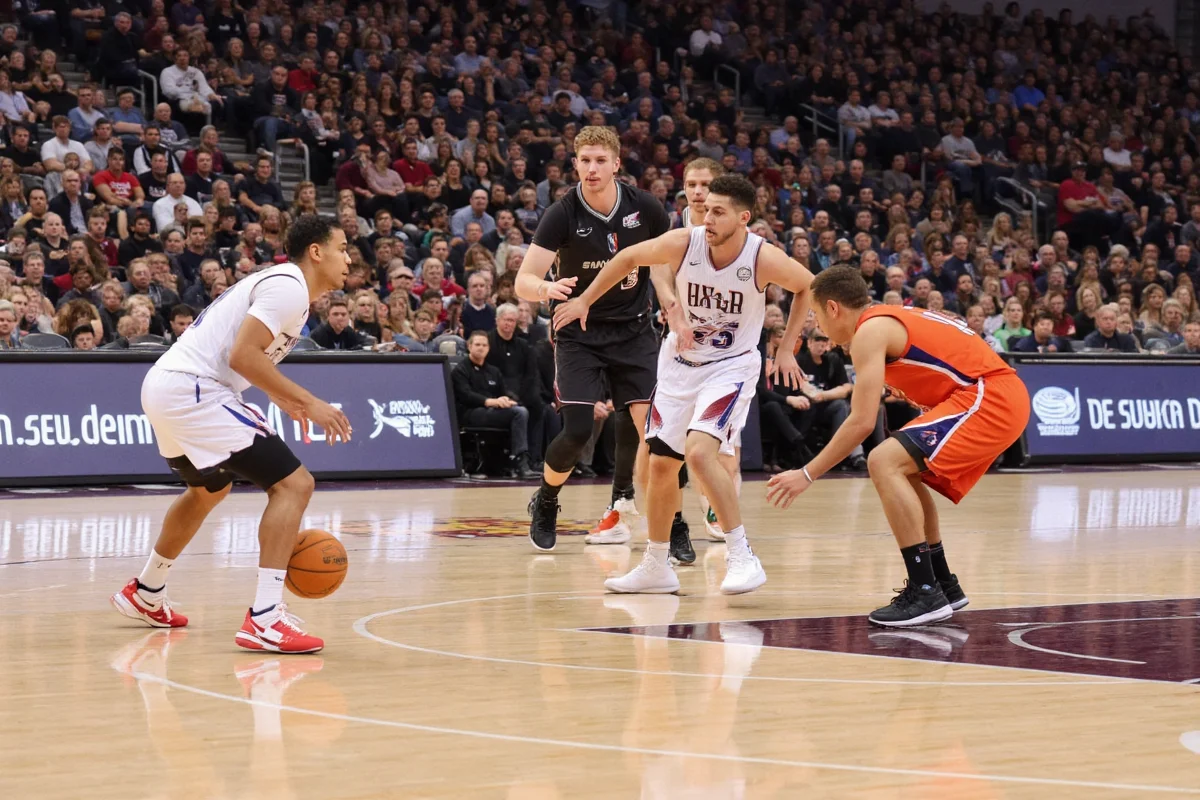
Teams wait until the last moment to judge recovery. Energy levels matter greatly during games. Rest management also causes GTD listings. Star players face heavy game schedules every season. Teams protect stars for long seasons and playoffs. Missing one game may help future games. Back to back games increase GTD chances. Travel stress affects the body and recovery. Personal reasons may also cause GTD status. Family matters can change focus and readiness. Teams respect privacy during such moments. They keep details limited and professional. GTD helps teams stay flexible before games. Coaches prepare multiple game plans. Backup players stay alert due to GTD uncertainty. This improves team depth and readiness. Fans watch GTD updates closely before games. Fantasy players depend on this information. Media reports track warm ups and coach comments. Small hints change expectations quickly.
GTD NBA Chart
| Status | Chance of Playing | Typical Recovery Timeline | Used By NBA Teams? |
| OUT | 0% | N/A or long-term | Yes |
| DOUBTFUL | 25% | 1–2 weeks | Yes |
| QUESTIONABLE | 50% | 3–7 days | Yes |
| GTD (Game Time Decision) | Varies (often 40–60%) | Day-of-game evaluation | Yes |
| PROBABLE | 75% | 1–3 days | Less common now
|
GTD status creates the highest level of uncertainty in NBA reports. It gives very little clarity before game time. Questionable status usually suggests a fair chance to play. Many fans see it as around fifty percent. GTD works differently from other labels. The final call often comes just hours before tip off. Teams wait for warm ups and medical checks. Player movement and comfort guide the decision. Because of this timing, GTD matters greatly in fantasy sports. Managers must stay ready for late changes. Real time updates become very important. One final report can change fantasy results. Betting markets also react strongly to GTD news. Odds shift quickly once decisions are confirmed.

GTD NBA Injury
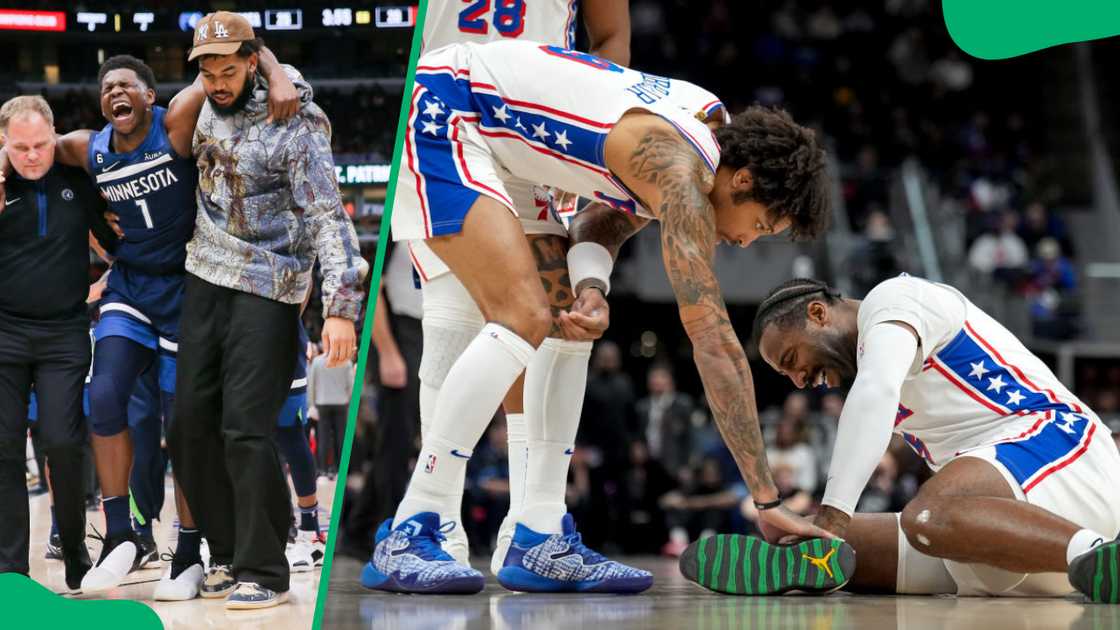
GTD NBA injury refers to a player listed as Game Time Decision due to a physical problem. This status shows uncertainty before a game. A GTD injury usually means the issue is minor. It is not serious enough to rule out playing early. Common GTD injuries include ankle soreness, knee pain, back stiffness, and muscle tightness. These injuries need careful checks. NBA players face heavy physical stress every season. Each team plays eighty two regular season games. Because of this schedule, small injuries happen often. GTD helps teams handle these issues safely. Medical staff checks the injured player on game day. They look at movement, balance, and pain levels. Warm up sessions are very important during GTD injury checks. Players test jogging, jumping, and shooting comfort. If pain feels manageable, the player may play. If pain increases, rest becomes the better option.
Teams avoid rushing injured players back. Small injuries can become serious if ignored. GTD injury status protects long term health. NBA careers depend on body care and recovery. Back to back games increase GTD injury cases. Playing on consecutive nights strains muscles and joints. Travel also affects recovery time. Long flights reduce proper rest and healing. Star players often receive GTD injury labels. Teams protect them for important future games. Load management connects closely with GTD injuries. Rest helps reduce wear on the body. Illness can also cause GTD injury status. Weakness or fever affects physical strength. NBA rules require injury reports before games. GTD injury appears clearly on these lists. Fans watch GTD injury updates closely. Final decisions usually come minutes before tip off. Fantasy basketball players depend on GTD injury news. One absence can change results.
GTD NBA Fantasy
In NBA betting and fantasy leagues, GTD plays a very important role. GTD means Game Time Decision for a player. This status creates uncertainty about player availability. It affects fantasy lineups, betting odds, and team plans. Fantasy managers must stay alert when GTD appears. One late update can change the entire lineup. GTD players carry risk in fantasy contests. Managers must prepare backup options before the game starts. Late scratches can reduce fantasy points badly. Smart managers plan substitutes early. Many fantasy platforms allow last minute swaps. This feature helps manage GTD risks better. Managers monitor injury reports throughout the day. Official team updates guide final decisions. Warm up reports are also important. Beat reporters often share last minute clues. In daily fantasy sports, GTD increases strategy depth. High risk players may offer high rewards.
Some managers avoid GTD players completely. Others take chances based on matchup strength. GTD also impacts NBA betting markets heavily. Sportsbooks react quickly to player status news. If a star player is GTD, odds may shift suddenly. Spreads and totals adjust fast. Moneyline values change when key players sit out. Bettors must act quickly for good odds. Prop bets are also affected by GTD. Player point and rebound lines may disappear. Gamblers track injury reports carefully. Timing matters in successful betting strategies. Early bets carry risk during GTD situations. Late bets offer clarity but smaller value. Teams also feel the impact of GTD internally. Coaches prepare different game plans. Backup players must be ready for bigger roles. Rotations may change minutes before tip off. Ticket sales can also feel GTD effects. Fans hope to see star players live.
Other Details
Late scratches may cause disappointment among fans. Still, safety remains the priority. GTD adds suspense to every game day. Fans check updates until the final minute. Media coverage increases around GTD cases. Analysts debate possible outcomes. Data and sports science guide GTD decisions today. Teams rely on medical advice. GTD reflects modern NBA thinking. Long term health matters more than short term gain. Understanding GTD helps fantasy and betting success. Knowledge reduces risk and improves choices. Smart planning is essential during GTD situations. Preparation separates casual fans from serious players.
GTD NBA Cases
Famous GTD NBA cases have shaped many important games. These moments show how uncertain player health can change outcomes. One well known GTD case involved LeBron James. He has often been listed GTD with ankle issues. Teams waited until warm ups to decide his status. Fans stayed alert until final announcements.
- Stephen Curry has also faced many GTD situations. Ankle and knee soreness caused last minute decisions. Curry’s presence changes entire game plans. His GTD status often shifted betting odds quickly.
- Kevin Durant experienced GTD cases during injury recoveries. Calf and knee concerns kept decisions late. Teams protected Durant carefully due to past serious injuries. His GTD listings reflected caution.
- Kawhi Leonard is one of the most famous GTD examples. Load management made his status uncertain often. Kawhi’s knee condition required strict monitoring. Many games decided his status minutes before tip off.
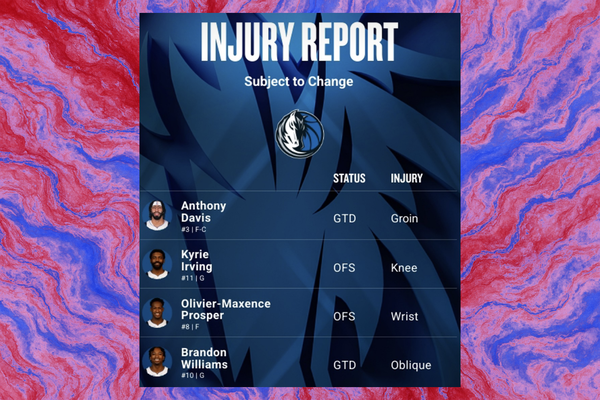
- Anthony Davis has also appeared on GTD lists frequently. Shoulder and foot soreness caused uncertainty. Davis’s size and injury history forced teams to stay careful. GTD helped manage his long term health.
- Joel Embiid faced GTD cases due to knee and back issues. His condition often changed close to games. Embiid’s GTD status affected team rotations heavily. Backup centers prepared for sudden starts.
- Chris Paul dealt with GTD cases during hamstring recovery. These injuries required careful testing. Veteran players often receive GTD tags. Age increases the need for caution.
More Details
Playoff games have seen famous GTD moments too. Teams balance risk and reward carefully. In some playoff games, GTD stars played limited minutes. Coaches adjusted strategies on the fly. GTD cases also changed championship series outcomes. One missing star can shift momentum. Fans remember these moments due to tension. Waiting for final updates creates excitement. Media coverage increases around famous GTD cases. Reporters watch every warm up move. Social media reacts fast to GTD news. Fans share opinions and predictions instantly.
Fantasy leagues feel a strong impact from famous GTD cases. One decision can decide contests. Betting markets react sharply to star GTD updates. Odds move within seconds. Medical teams play key roles in these decisions. Player safety remains the top concern. Famous GTD cases show modern NBA priorities. Health now comes before short term pressure. Technology helps track injury risks better today. Data supports smarter decisions. GTD cases also show player honesty matters. Athletes report pain levels clearly.
Some Frequently Asked Questions
What does GTD NBA mean?
GTD NBA means Game Time Decision in professional basketball. It shows a player’s status is uncertain before a game.
Why do NBA players get GTD status?
Players get GTD status due to minor injuries, illness, fatigue, or recovery concerns.
When is a GTD decision finally made?
The final GTD decision is made just before the game starts, often after warm ups.
Who decides a GTD player’s availability?
The player, medical staff, and coaches decide together after checking health and comfort.
Are GTD injuries serious?
Most GTD injuries are minor. Serious injuries usually rule players out earlier.
What injuries commonly cause GTD status?
Common causes include ankle soreness, knee pain, back tightness, and muscle strain.
Can a GTD player still play full minutes?
Yes, some GTD players play full games if they feel fine during warm ups.
How does GTD affect NBA teams?
Teams prepare backup plans and adjust rotations due to GTD uncertainty.
Does GTD affect fantasy basketball?
Yes, GTD players add risk. Managers must plan backups and monitor updates.
How does GTD impact NBA betting?
GTD can change odds quickly. Star player uncertainty shifts spreads and props.
Do star players get GTD more often?
Yes, stars get GTD often due to workload management and injury prevention.
What is load management in GTD cases?
Load management limits play time to protect long term health and reduce injury risk.
Read Also: Kuwait National Cricket Team: Matches
OKC Thunder vs Dallas Mavericks Match Player Stats
Dallas Mavericks vs Denver Nuggets Match Player Stats
Knicks vs Denver Nuggets Match Player Stats
Rickey Hill Baseball Player
 Jack
Jack